


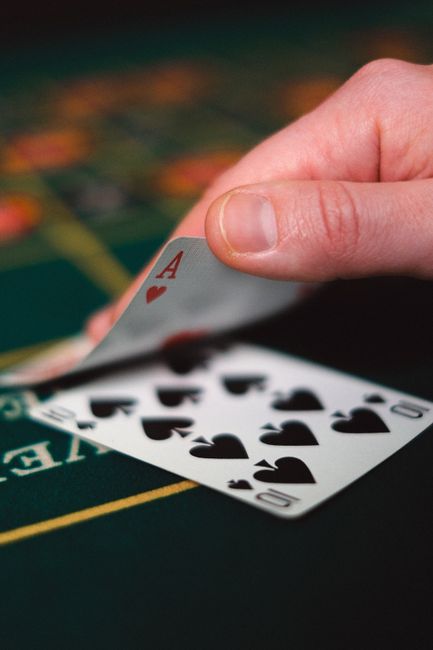
Every experienced gambler remembers the moment the penny dropped. Maybe it was the first time you calculated pot odds correctly at a poker table, or when you realised slot RTP isn't just marketing fluff. The uncomfortable truth is that most players never get to that moment. They spin reels or place football accumulators for years without ever developing what separates the lucky from the skilled. The difference isn't talent. It's a handful of habits that anyone can learn, if they're honest enough to admit they've been doing it wrong.
Understand What You're Actually Playing
Ask ten slot players what RTP means and eight of them will say something like "return to player" without understanding what it implies. A 96% RTP doesn't mean you'll get back 96 euro for every 100 you wager in a session. It means that, averaged over millions of spins across the entire player base, the machine pays out 96% of everything staked. Your session is a tiny statistical speck in that ocean.
Why does this matter? Because it reframes how you should treat variance. A high-volatility slot like Book of Dead can swallow 200 spins without a bonus and then pay your entire month's entertainment budget back in one round. A low-volatility game like Starburst will nickle-and-dime you steadily with frequent small wins that rarely exceed your bet size. Neither is better. They're just different rhythms, and picking a game that matches your patience and bankroll is far more important than picking one with the theoretically highest RTP.
Football bettors face a similar blind spot. The bookmaker margin is baked into every price you take. An even-money counter-bet between two teams with a 50/50 true chance should be priced at 2.00. When you see 1.90 for each side, that missing 5% per outcome is the bookie's actual business model. Over a hundred bets, that margin will carve a large hole in your returns regardless of how good your selections are.
Bankroll Rules That Actually Work
Everyone parrots "never bet more than you can afford to lose" like it's deep wisdom. It's not. It's the starting line. The real disciplines that separate recreational players from those who keep their hobbies alive for years are more specific: If you want to dig deeper, FAFA828 is a useful place to start.
- Define a session bankroll before you sit down. Twenty units is a common benchmark. If you bet 1 euro a spin, your session bankroll is 20 euros, not the 500 in your account.
- Stop-loss and stop-win targets. Cashing out when you double your session bankroll isn't cowardice. It's protecting the rest of your week's entertainment.
- Track everything. A simple spreadsheet with date, game, amount staked, result and hour spent playing. Do this for two months and you'll never fool yourself about whether you're "roughly breaking even" again.
- Quit during tilt. After three bad beats in a row at poker, your decision-making degrades measurably. Stand up, drink water, come back tomorrow.
The stop-win target is where most players fail. There's a peculiar psychological trap where winning feels like an endless resource and losing feels like an obligation to keep going. Reversing that instinct — treating wins as the moment to bank and losses as the moment to review — is the single biggest mental shift in the hobby.
Poker Is About Position, Not Cards
New poker players obsess over hole cards. Pros obsess over position. If you're on the button in a six-max no-limit hold'em game, you act last on every post-flop street, which means you can call with a far wider range of hands and put maximum pressure on players who act first with weak holdings. A mediocre hand in position beats a decent hand out of position more often than beginners believe.
Tighten up pre-flop, loosen up post-flop
The classic line "play tight early, aggressive later" refers to the hand, not the session. Fold the trash pre-flop, but when you actually flop a strong hand or a monster draw, push the action. Slow-playing straights on dry boards and check-calling with sets are two of the most expensive habits in low-stakes poker.
Watch the maths, not the movie
If you're chasing a flush draw to the river, you need roughly 4-to-1 pot odds on the turn to call profitably (a 9-out draw hits about 18% of the time, or roughly 1 in 5.5, so you need better than 4-to-1 to account for implied odds). Too many players call big turn bets on a naked flush draw because it feels exciting. The maths doesn't care about excitement.
Live Betting and In-Play: Not a Cheat Code
In-play football markets have exploded, and there's a persistent fantasy that watching the match gives you an edge. It doesn't, on its own. The market moves in seconds. When a team goes 1-0 up, the draw odds spike instantly, but so does the favourite's price for the next corner, the next goal and the correct score. Bookmakers and algorithmic traders are faster than your reaction time.
Where live betting occasionally earns its keep is in injury time mismatches, late substitutions, and games with visible momentum shifts that the models haven't fully priced. But you need to be watching, know the specific team's patterns, and accept that only a tiny percentage of your live bets will beat the market. If you don't have that depth, stick to pre-match selections.
The Welfare Tools You're Probably Ignoring
Licensed operators, at least in mature jurisdictions, are required to offer deposit limits, loss limits, session timers, reality checks and self-exclusion. Most players never touch them, which is a mistake. These tools aren't just for people in crisis. A weekly deposit cap of 50 euros keeps your hobby sustainable and removes the moment of decision fatigue after a bad session. A 45-minute session timer interrupts the flow state that slots are explicitly designed to create. A loss limit set before you sit down is a promise to your future self.
Setting a loss limit while you're winning feels pessimistic. But the whole point is to remove in-the-moment judgment when your brain is swimming in dopamine.
Where Good Players Actually Differ
After thousands of hours across slots, sportsbooks and poker tables, the common thread among people who enjoy gambling for decades without it going sideways isn't some hidden strategy. It's a set of unglamorous disciplines: knowing the house edge of everything you play, tracking results without self-deception, treating wins as exceptions to be banked rather than momentum to be chased, and using every available tool to keep the inevitable swings from dictating your mood or your budget. The casino has mathematics on its side. Your only real counter is discipline, structure and a willingness to treat gambling as entertainment with a known cost — not as a puzzle to be solved.


Leave a reply