


Two Very Different Ways to Heat a Room
Most UK households choosing a hearth are weighing up the same two options: keep the open fire that's already there, or fit a wood burning stove into the opening. They burn the same fuel, but they work on completely different principles. An open fire relies on the chimney to pull air past the flames, and most of the heat it produces disappears up the flue with the smoke. A stove controls that air supply, burns the wood at a higher temperature, and releases heat steadily into the room through the metal body and the glass. Understanding that single difference explains almost everything else — running costs, smoke, how often you feed it, and how the room feels when it's lit.
Efficiency: Where the Heat Actually Goes
The numbers are stark. A traditional open fire is roughly 15 to 20 per cent efficient. A modern stove achieving a clean burn usually sits between 70 and 80 per cent. In plain terms, for every ten logs you put on an open fire, eight of them are effectively heating the sky; with a stove, seven or eight are heating your living room.
- Heat to the room: an open fire typically gives 1–3 kW of useful heat; a 5 kW stove gives close to 5 kW.
- Fuel use: a stove will usually burn around a third of the wood an open fire needs for the same warmth.
- Refuelling: an open fire wants feeding every 30–45 minutes; a stove holds a decent burn for an hour or more, and longer overnight once damped down.
- Control: stove air vents let you slow the burn or open it up. An open fire mostly does what it likes.
If you light up every evening through the winter, that gap is the difference between a couple of barrowloads of logs a week and a couple a month.
Smoke, Chimneys and Clean Air Rules
Efficiency and smoke go hand in hand. An open fire burns relatively cool and with little controlled air, so it produces more visible smoke and more unburnt particles. A stove with secondary air and a baffle plate burns off much of that, which is why a well-run stove looks almost clean from the chimney once it's up to temperature.
This matters legally as well as practically. Large parts of urban Britain are smoke control areas, where you may only burn authorised smokeless fuels, or use a stove that has been exempted for use with wood. In one of those areas, an ordinary open fire burning logs isn't an option, and a stove is usually the simplest route to a legal, working fire.
Whatever you burn, the fuel matters more than the appliance. Wood should be seasoned or kiln-dried to under 20 per cent moisture — a cheap moisture meter takes the guesswork out of it. Wet wood wastes most of its energy boiling off water, soots up the flue and leaves tar that can lead to a chimney fire. Have the chimney swept at least once a year, twice if you burn wood regularly, and fit a carbon monoxide alarm in the same room as any solid fuel appliance.
The Focal Point Question
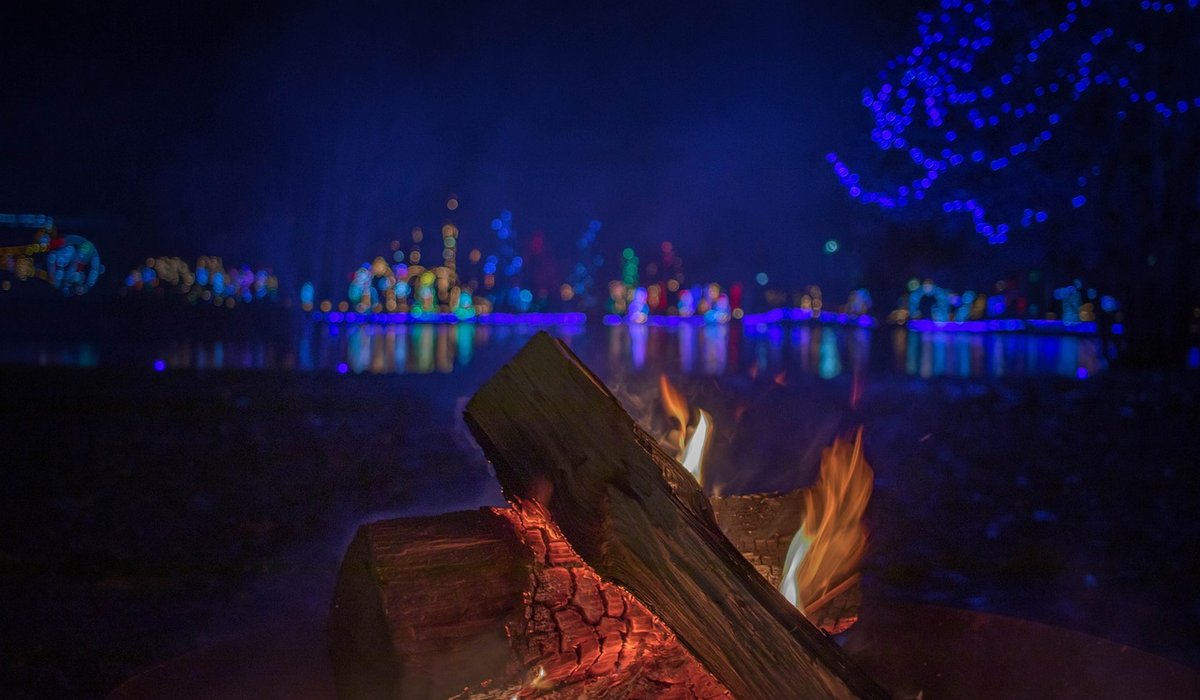
Here the open fire wins, and it isn't close. Nothing quite matches the look of an open grate — the deeper opening, flames at eye level, the crackle and the smell of a real fire drawing properly. It reads as an original feature in an older house, and it's why many people keep an open fire they know is inefficient.
There are trade-offs. Open fires throw sparks, so a fireguard is essential with children or pets about, and logs can roll forward onto the hearth. They also draw a lot of room air up the chimney, which can make the rest of the house draughtier. Stoves are tidier: the glass stays clear thanks to an airwash system, sparks stay behind the door, and the heat is steady rather than in bursts.
Both need the same essentials: a sound flue, a non-combustible hearth of the correct size, and adequate ventilation. A stove generally needs a lined chimney and an air brick, and its installation is notifiable building work.
Running Costs and Day-to-Day Practicalities
- Upfront cost: a stove costs more to buy and install than simply opening up an existing fireplace, but the payback comes through fuel.
- Fuel bills: because a stove uses far less wood, the annual cost of logs is markedly lower.
- Cleaning: open fires produce more ash and dust; stoves contain the mess but need the glass wiped and the baffle checked.
- Space: stoves protrude into the room, so plan your seating and clearances to combustibles.
Which Will Suit Your Home?
If you light a fire most evenings through the winter and want warmth rather than atmosphere, a stove is almost always the better choice — cleaner, cheaper to run, easier to live with. If the fire is lit occasionally, the room is a period one you're keen to preserve, and the hearth is a genuine focal point, an open fire still earns its place.
A middle path exists: a stove set into the original opening, sometimes freestanding on a stone hearth, keeps the look of a traditional fireplace while giving you the efficiency of a sealed box. Whichever you choose, invest in dry wood, a swept flue and a proper installation, and the fire will repay you with years of reliable warmth.


Leave a reply