


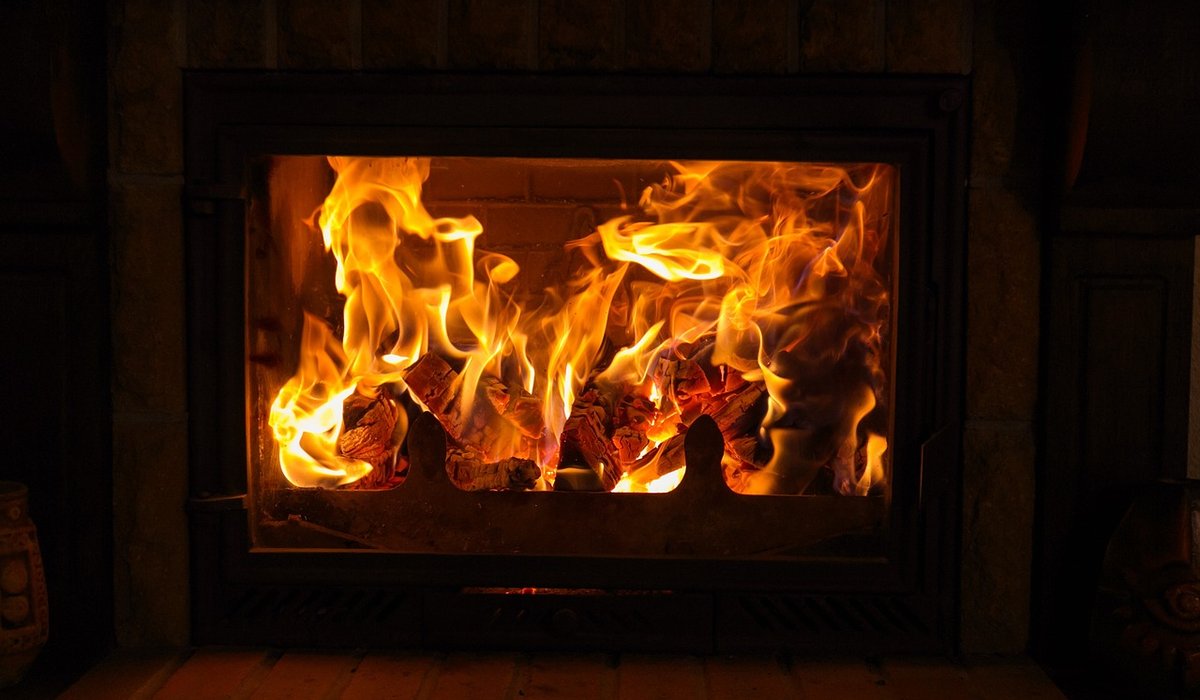
A wood burner is one of the most rewarding things you can put in a British home. It gives you real heat, a living flame, and a reason to stay in on a wet Tuesday. But unlike a gas boiler, it asks for a bit of attention. Nothing complicated — a few minutes each month, a proper look at the parts that wear, and you will get a hotter fire, cleaner glass and far less chance of a chimney problem.
This is a monthly checklist, not an annual service. It works alongside your yearly chimney sweep rather than replacing it. Work through it when the stove is completely cold, and keep a torch, a stiff brush and an old cloth to hand.
Why a Monthly Routine Pays Off
Most stove faults announce themselves quietly. A door seal flattens, the glass starts blackening, the ash pan overfills and blocks the grate air, or a flue joint starts weeping soot. Each one steals efficiency from you. A leaking door seal lets cold air in above the fire, which cools the flue gases and encourages tar to form further up the chimney. Overfilled ash smothers the grate and makes the fire sluggish, so you burn more wood for less heat.
Fifteen minutes a month catches all of this while it is still a cheap fix — a length of rope seal and some fire cement rather than a new door or a chimney fire.
Start With the Door Seal
The rope seal around the door is the part that wears fastest, and it is the first thing to check.
- Open the door and look at the rope. It should be plump and even, sitting proud of its groove.
- Look for flattened sections, fraying, gaps at the corners, or black sooty streaks on the stove body beside the seal. Those streaks mean hot gas is escaping there.
- Test it properly: close the door on a strip of paper or a banknote at several points around the frame, then tug gently. You should feel a light, even resistance all the way round. If the note slides out freely, the seal has gone.
- Check the hinges and latch too. A door that has dropped slightly will not seal no matter how good the rope is. Many stoves allow a small adjustment at the catch or hinge.
Rope seals typically last one to two seasons of regular burning. Replacements are inexpensive and come in standard diameters, so measure the old rope before ordering.
Clean the Glass and Inspect the Baffle
Clean glass only when the stove is cold. A damp cloth dipped in wood ash lifts most deposits, or use a purpose-made stove glass cleaner. Avoid abrasive pads, which scratch the surface and make future sooting worse.
Persistent blackening overnight usually tells you something: damp wood, too little air, or a slumbering fire. Fix the cause rather than scrubbing the symptom.
While the door is open, check the baffle plate at the top of the firebox. It should sit level and snug. A warped or dislodged baffle sends heat straight up the flue, and it is one of the most common causes of a stove that suddenly feels weak. Brush any loose soot off the top of it. Check the firebricks for cracks — hairline cracks are normal, but a brick that moves or has crumbled edges needs replacing.
Empty the Ash Sensibly
Empty the ash pan when it is about two-thirds full, before ash spills over the rim and blocks the grate. That blockage starves the fire of under-air and makes the whole stove work harder.
Do keep a thin layer of ash — roughly a centimetre — on the firebed. It insulates the grate and helps the fire establish. Always tip ash into a metal container with a lid, and stand it on a non-combustible surface well away from anything flammable. Ash can hold embers for a day or more, so never put it in a plastic bin or bag, and never vacuum it up.
Check the riddling mechanism while you are there. It should move freely and drop ash cleanly into the pan.
Check the Flue, Air Supply and Alarm
Run a torch over the flue pipe and its joints, including the connection at the stove collar. Soot streaks, staining or a powdery deposit mean a leaking joint that needs resealing.
Watch for signs of poor draught: smoke curling into the room when you refuel, a fire that takes ages to catch, or a sooty smell in the room. Any of these deserve attention before the next burn.
Check that permanent air vents are clear and not blocked by furniture, curtains or insulation. Test your carbon monoxide alarm with its button, and replace the batteries when needed. In a smoke control area, burn only authorised fuels or use an exempt appliance, and stick to the manufacturer's guidance on air settings.
Fuel, Habits and a Quick Monthly Round-Up
Good fuel solves half of your maintenance problems. Burn wood with a moisture content below 20 per cent. Split a log and test the fresh inner face with a moisture meter — testing the outside tells you nothing. Store logs off the ground, covered on top but open at the sides so air can move through them. Never burn painted, treated, varnished or driftwood, all of which can damage the stove and the flue.
Resist the urge to slumber the stove overnight with the air turned right down. Cool, smouldering fires produce far more creosote than a hot one. Instead, burn brightly for a spell each day and let the flue run warm.
Your monthly list, then:
- Test the door seal with a strip of paper and inspect the rope for wear.
- Clean the glass and check the baffle plate and firebricks.
- Empty the ash pan, keep a thin ash bed, and check the grate riddle.
- Inspect flue joints for soot streaks and confirm the draught is strong.
- Clear air vents and test the carbon monoxide alarm.
- Check your wood with a moisture meter before it goes on the fire.
Do this each month and your stove will light easily, run hot, use less wood and keep that glass clear. Book the chimney sweep once a year — twice if you burn hard or use smokeless fuel — and you will have a hearth that is safe, efficient and ready for whatever the British weather throws at it.


Leave a reply