


Every gambler has heard the cliché: the house always wins. And statistically, that's true. Casinos don't build billion-dollar skylines on the backs of generous odds. But here's the thing nobody tells you at the roulette table—the house only wins in aggregate, over millions of spins and hands, across thousands of players. On any given night, in any given session, the math looks very different. The trick isn't beating the casino's edge. It's understanding it well enough to stop being the sucker the edge was designed to catch.
Let's dig into how the iGaming world actually works underneath the flashing lights, and what separates the players who walk away up from the ones who fund the chandeliers.
Know Your House Edge (This Is Not Optional)
The house edge is the mathematical advantage the casino holds on every bet you make. It's not a conspiracy; it's arithmetic. And the difference in edge between one bet and another can be the difference between a slow bleed and a fast one.
- Blackjack (basic strategy): roughly 0.5% house edge. Best odds in the building if you play it right.
- Baccarat (banker bet): about 1.06%. Often better than most blackjack tables if you avoid the tie bet, which jumps to a brutal 14.4%.
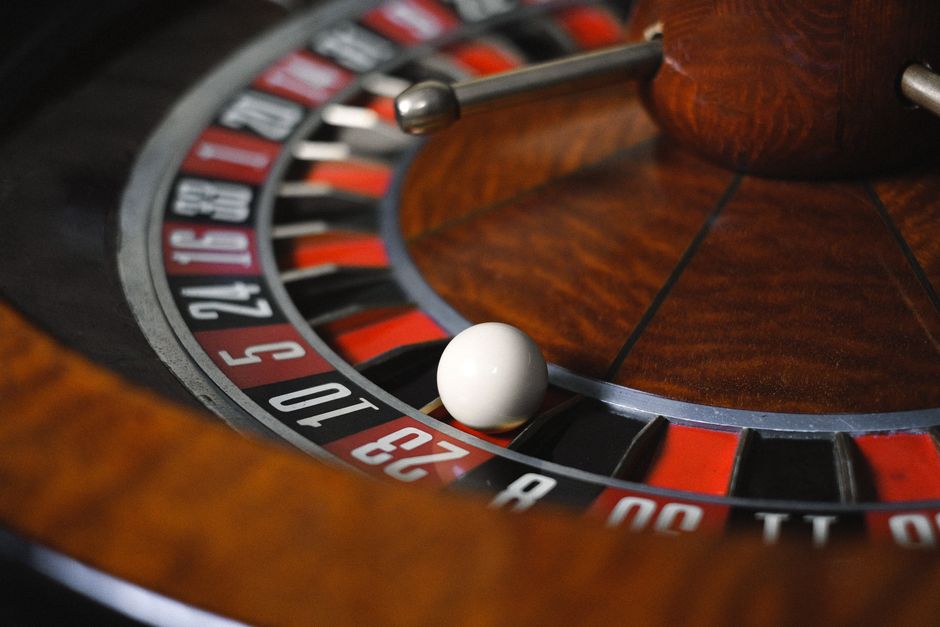
- European roulette: 2.7%. Now compare that to the American version with a double zero—5.26%. Same game, roughly double the bleed.
- Slots: varies wildly, but typical RTPs land between 92% and 96%. That means an edge of 4% to 8%, often more on penny machines.
- Keno and most lottery-style games: 25% to 35%. Basically a tax on impatience.
If you only remember one number from this article, make it this: never play American roulette when a European table exists. That's the cheapest upgrade in iGaming.
Slots: Choosing the Right Machine Is Half the Battle
Slots are the most popular game in the building and also the least understood. Players pick machines based on theme, color, or which one "feels hot." Here's what actually matters:
- RTP (Return to Player). Most jurisdictions require it to be published somewhere, either on the paytable screen or in the game rules. Online slots almost always have higher RTPs than land-based ones—often 2% to 5% more.
- Volatility. Low-volatility slots pay smaller amounts more often. High-volatility slots pay rarely but massively. Neither is "better"—they just suit different bankrolls and mentalities.
- Bonus mechanics. Free spins, multipliers, expanding wilds, cascading reels. The gimmick doesn't affect the math; it affects the entertainment. Play what you enjoy, but understand that a fancy feature doesn't raise the RTP.
One trap worth mentioning: the gambler's fallacy. A slot that hasn't paid in 500 spins is not "due" to hit. If anything, the math suggests you're exactly as likely to hit on the 501st spin as the first. Random means random.
Poker: The One Game Where You Can Actually Have an Edge
Poker is the outlier in the casino world because you're not playing against the house—you're playing against other people, and the house just takes a cut (the rake). That means skill genuinely matters, and a disciplined player can log long-term profit.
But here's the reality check that online poker forums won't always tell you: the field is tougher than it's ever been. Pre-solver and pre-tracking days are gone. If you're sitting down at mid-stakes online tables expecting to run over recreational players, you're in for a harsh wake-up call.
What still works:
- Game selection. The single biggest edge in modern poker is finding soft tables. Watching the lobby, exploiting referral bonuses, and moving stakes aggressively when a soft spot shows up is often more profitable than tweaking your bet sizing.
- Bankroll management. Twenty buy-ins for cash games is a common rule. Ten for tournaments because variance is brutal. Break these rules and you'll go broke before variance evens out.
- Tilt control. The ability to walk away after a bad beat is worth more than any advanced strategy guide. Everyone knows this. Almost nobody does it.
The rake itself deserves a mention. At low stakes, a 5% capped rake (capped at, say, $3) can be unbeatable over thousands of hands. That's why so many "legit" winning players at micro-stakes simply don't exist long-term. The game isn't free.
Bonuses and Promotions: Read the Fine Print or Get Played
Welcome bonuses are the most aggressively marketed part of iGaming, and for good reason—they're engineered to keep you around while you try to clear them. A 100% deposit match up to $500 sounds generous until you read the terms. Further details are available through สล็อต.
What to look for:
- Wagering requirements. A 40x requirement on a $200 bonus means you must wager $8,000 before cashing out. If you play a game with a 2% edge, expect to lose around $160 clearing it. That's not a bonus; that's a subscription.
- Game weighting. Slots usually count 100% toward wagering, but blackjack, roulette, and baccarat often count at 10% or less. Check before assuming.
- Maximum bet limits. Many bonuses cap your per-spin stake at something tiny—often $5 or less. If you violate it, the casino can void your winnings.
- Expiry windows. Bonus funds often vanish in 7 to 30 days, which pushes players to chase losses at higher stakes. That's the point.
Free spins usually carry lower wagering requirements than cash bonuses, and reload offers tend to be worse than welcome packages. If you're going to use bonuses at all, treat them as entertainment value, not a genuine edge.
The Psychology Is the Whole Game
Everything above is math and mechanics, but the reason most people lose isn't the math. It's the head. Casinos—online and off—are engineered by psychologists as much as mathematicians. Audio cues that sound like wins even when you lose. Losses disguised as near-misses (the reel landing one symbol short of a jackpot). Timed notifications asking if you want to deposit again after a big win, framing that sudden rush as the start of something.
Realistic, sustainable gamblers do three things that casual players don't:
- Set a loss limit before they start and treat it as a hard boundary, not a suggestion.
- Separate gambling money from real-life money in their head—and ideally in a separate account.
- Walk away when they're up, without telling themselves they'll just play "one more hand."
If you notice yourself chasing losses, lying about time or money spent, or gambling to relieve stress, the honest move is to step away entirely. Licensed operators in the EU and UK, for example, offer deposit limits, time-outs, and self-exclusion that actually work—but only if you use them.
The Bottom Line
You can't beat the house edge through strategy alone, and anyone who says otherwise is selling you a course. What you can do is stack the deck in your favor relative to the average gambler: pick low-edge games, understand bonus terms before you claim them, treat slots as entertainment rather than a plan, play poker only if you're willing to put in the work, and—most importantly—know when to walk.
The people funding those casino skylines are the ones who don't do any of that. The bar is astonishingly low. Clearing the bar doesn't make you a professional gambler. It just makes you someone the house doesn't particularly enjoy hosting.


Leave a reply